October 27, 2026
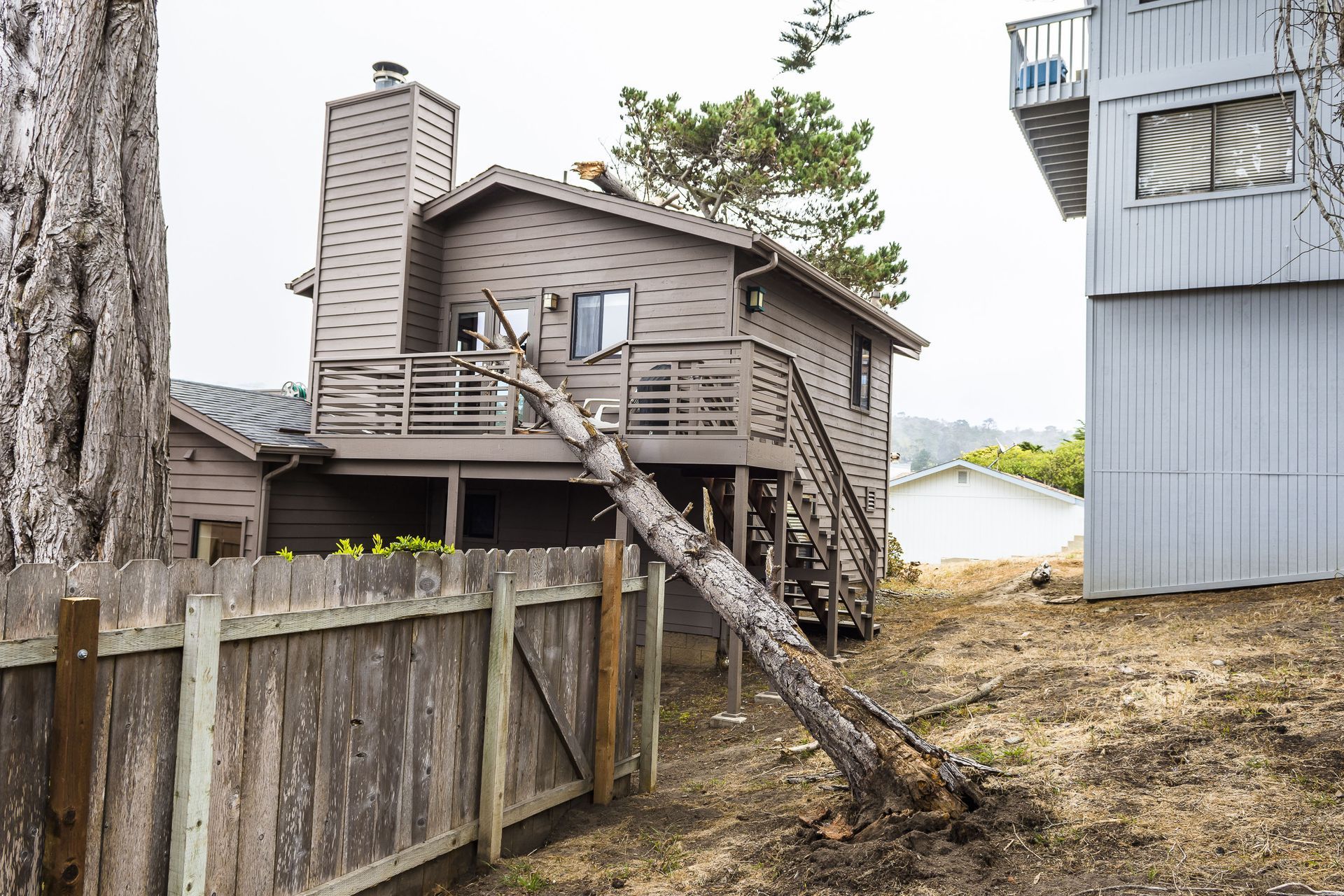
Severe weather events present serious risks to residential properties, threatening structural integrity and landscape health through high winds, heavy rainfall, and flying debris. When intense storms roll through a community, mature trees with undetected decay can quickly turn into destructive liabilities. Proactive seasonal preparation lowers the likelihood of catastrophic property damage while preserving the natural beauty of your home. Establishing a routine maintenance schedule and identifying physical vulnerabilities creates an effective protective barrier that withstands intense seasonal squalls.
Safeguarding your property demands a unified approach that addresses the living canopy above and the built structure below. Tree canopies catch the wind like sails, transferring enormous kinetic stress down through the trunk and into the soil. Roofs, siding, windows, and drainage networks bear the direct impact of driving rain and forceful gusts. Implementing practical preventative measures before inclement weather strikes ensures that your household remains secure throughout storm season.
1. Inspect Canopies for Hazardous Branches
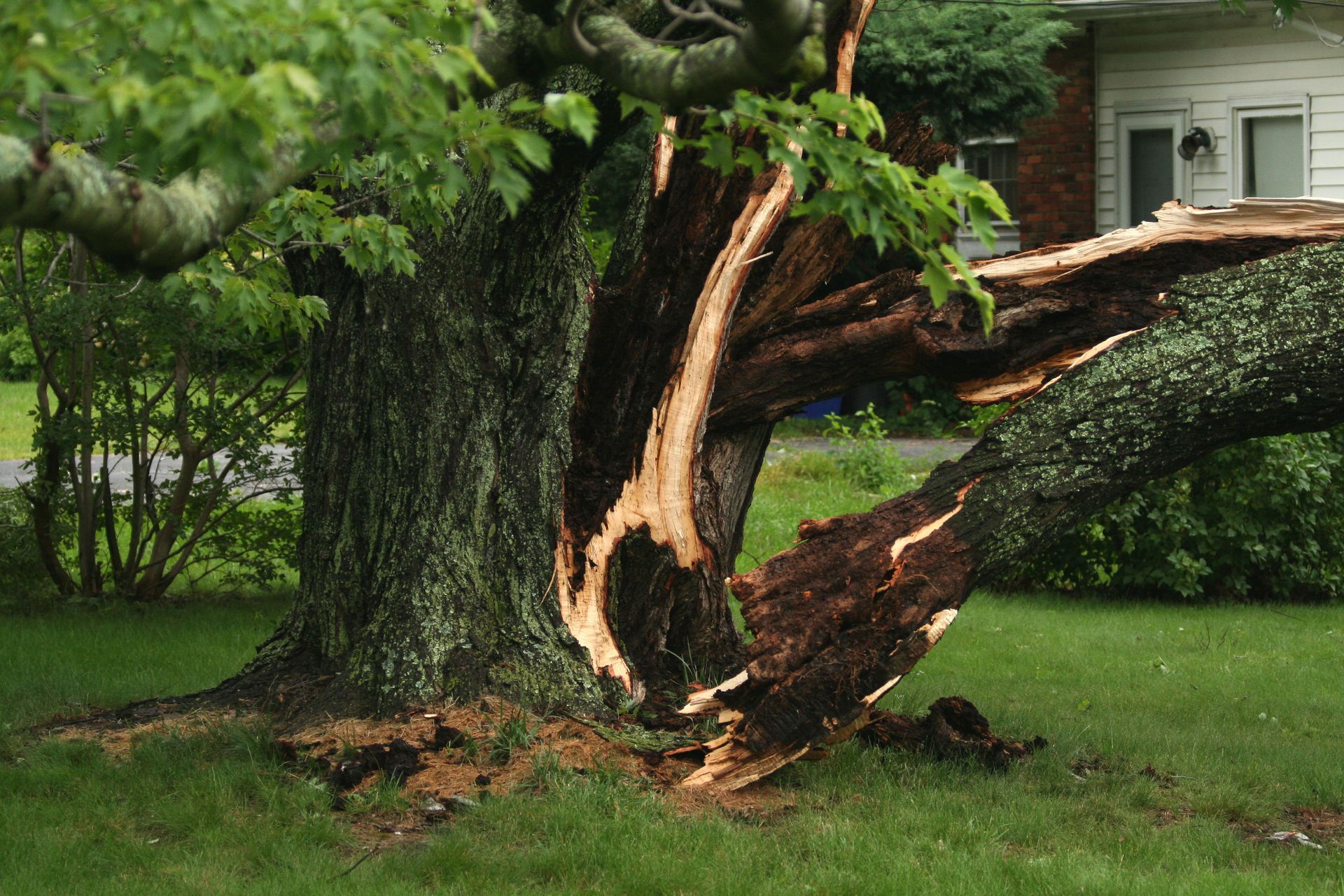
Routine visual inspection of tree canopies serves as the initial defense against storm damage. Homeowners should regularly survey branches for visible cracks, dead wood, split crotches, and sudden changes in foliage density. Large dead limbs can detach under moderate wind pressure and crash down onto roofs, vehicles, or nearby power lines. Scheduling an assessment by an experienced tree service allows property owners to pinpoint internal wood decay and structural instability that may escape an untrained eye.
Overextended limbs that stretch across roofs or hover near utility connections present immediate hazards during severe weather. Wind gusts cause substantial limbs to whip violently, wearing away shingles or tearing power lines away from main electrical panels. Clearing this hazardous vegetation establishes a critical protective buffer zone around vulnerable structures. According to the University of Maryland Extension, property owners should generally maintain a distance of at least 20 feet between substantial trees and a residence.
2. Prune Dense Limbs to Mitigate Wind Damage
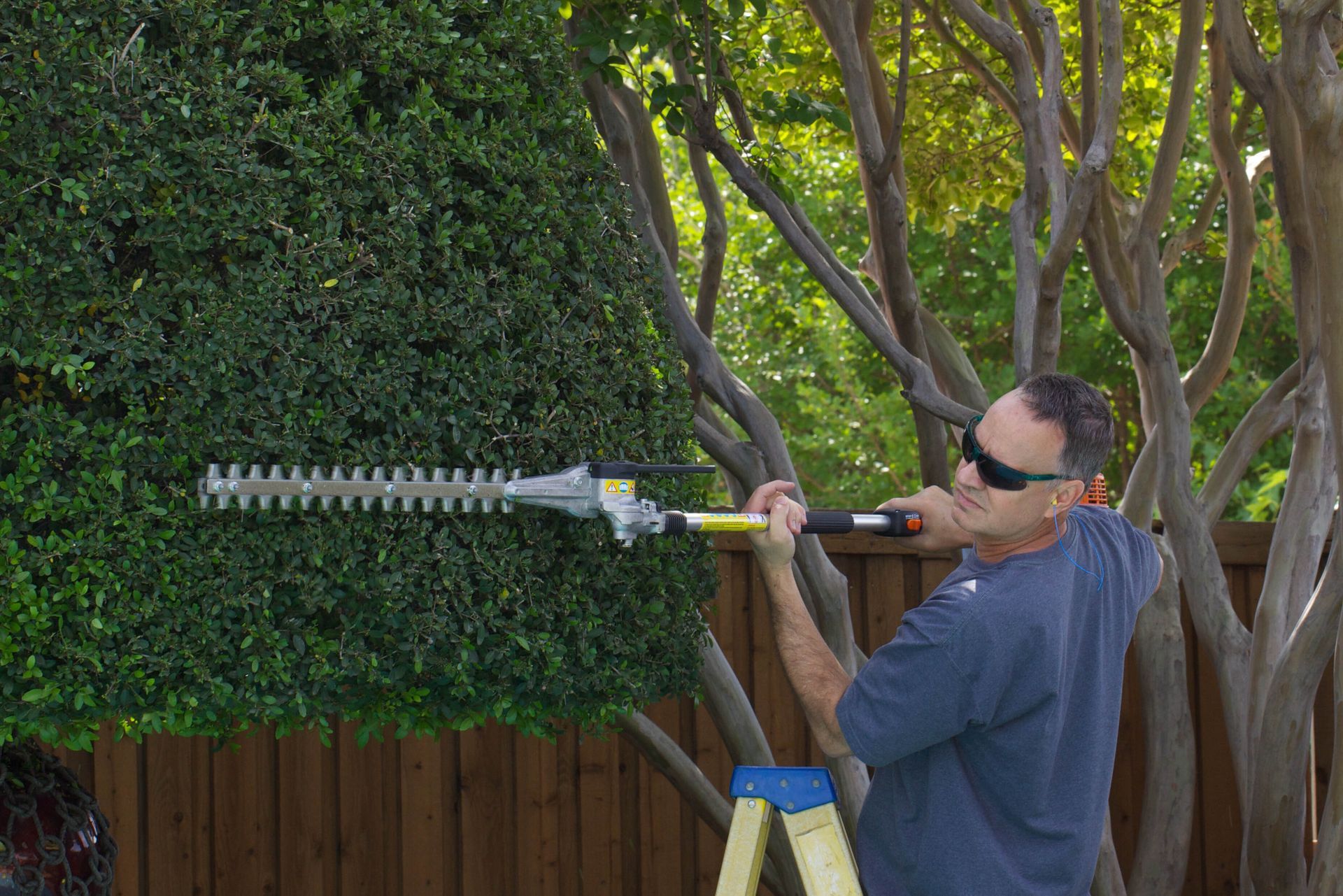
Proper canopy pruning decreases the wind resistance of mature trees, reducing what arborists refer to as the sail effect. When wind cannot pass through an overcrowded crown, the entire tree absorbs forceful gusts, increasing the odds of trunk failure or sudden uprooting. Thinning selective interior branches allows fierce wind currents to filter smoothly through the crown rather than pushing against a solid wall of leaves. Engaging a qualified tree service ensures that pruning promotes healthy tree architecture without stripping away essential foliage.
Strategic pruning also eliminates uneven weight distribution that leaves trees vulnerable to splitting during high winds. Heavy, low-hanging lateral limbs often develop structural weaknesses that give way under torrential rain. Pruning cuts must be executed cleanly along the branch collar to foster rapid healing and seal out opportunistic fungal pathogens. When property owners rely on a trusted tree service for seasonal pruning, they preserve canopy balance and long-term tree vitality.
3. Evaluate Root Health and Ground Stability
A tree’s ability to survive high-velocity winds depends heavily on the structural integrity of its underground root system. Soil erosion, standing water, and past excavation work can undermine root anchorage, leaving tall specimens susceptible to sudden toppling. Homeowners should inspect the soil around tree bases for telltale signs of root heave, including ground mounds, visible soil cracking, or fresh trunk lean. Partnering with a skilled tree service enables early detection of root rot and other subterranean issues before severe weather strikes.
Compacted or waterlogged ground creates an unstable foundation that fails when saturated by torrential seasonal rains. Fungal conks or mushroom clusters sprouting around the trunk flare indicate advanced internal decay within primary anchoring roots. Mulching correctly around the drip line helps retain soil consistency and shields root zones from mechanical harm without suffocating the root flare. Consulting a reliable tree service allows homeowners to explore targeted soil conditioning or cabling support that reinforces unstable specimens.
4. Fortify Windows and Fragile Entryways
Exterior glass and wide residential entryways represent vulnerable points of structural failure when severe weather strikes. Flying storm debris and airborne tree branches can shatter standard window glass, allowing wind-driven rain to flood interiors and ruin furnishings. Installing durable storm shutters provides robust physical protection against airborne impacts while fortifying the entire building envelope. Homeowners without permanent shutters should prepare fitted exterior plywood panels in advance to ensure rapid installation when storm warnings emerge.
Garage doors represent another critical vulnerability because wide door spans experience intense positive wind pressure and negative suction. If a garage door buckles inward during a storm, atmospheric pressure inside the home surges rapidly, often lifting roofs from exterior walls. Installing vertical bracing kits or upgrading to wind-rated garage doors prevents structural breaches during violent gales. Verifying weatherstripping around every exterior entryway prevents persistent moisture penetration from causing costly indoor water damage.
5. Secure Vulnerable Roof Shingles and Siding
Your roof functions as the primary shield against adverse weather, making roof integrity essential throughout storm season. Homeowners should inspect shingles for curling edges, surface cracks, missing fasteners, and bald spots where protective granules have washed away. Loose shingles allow driving rain to seep into wooden underlayment, triggering internal leaks and structural rot across attic framing. Hiring a licensed contractor to seal loose edges with roofing adhesive reinforces the roof plane against strong wind uplift.
Exterior siding and architectural trim require equal attention because detached panels can turn into flying projectiles during violent squalls. Securing loose siding pieces, reinforcing fascia boards, and caulking joints around exterior trim protects against wind infiltration and persistent moisture damage. Routine inspections should confirm that television antennas, satellite dishes, and outdoor lighting fixtures remain firmly anchored to exterior walls. Maintaining an intact exterior envelope prevents high winds from finding purchase along exposed architectural edges.
6. Clear Water Drainage and Gutter Systems
Functional drainage systems protect homes from water intrusion by moving torrential precipitation away from foundations and exterior walls. Over the course of the year, falling leaves, twigs, and roofing grit accumulate within gutter channels, forming dense dams that block normal drainage. When gutters overflow during downpours, water cascades down siding, rots exterior trim, and pools directly around foundation footings. Scheduling a reputable tree service to clear overhanging branches prevents organic debris from choking gutter troughs before stormy weather arrives.
Downspouts must direct high volumes of runoff well away from the foundation to prevent basement flooding and soil erosion. Adding downspout extensions or splash blocks ensures that heavy stormwater discharges onto stable landscape beds or designated runoff swales. Inspecting gutter brackets and downspout straps ensures that heavy, water-filled troughs will not pull away from roof eaves during prolonged downpours. Pairing clean gutter networks with proper yard grading keeps foundations dry and soil stable around nearby trees.
Protecting your residential property against severe weather requires a balanced strategy that integrates proactive canopy care and structural fortification. Implementing these essential precautions safeguards your home against expensive storm damage while fostering a healthier, more resilient landscape for the future. Preserving the health of mature trees minimizes hazard risks and enhances the natural beauty of your neighborhood year after year.
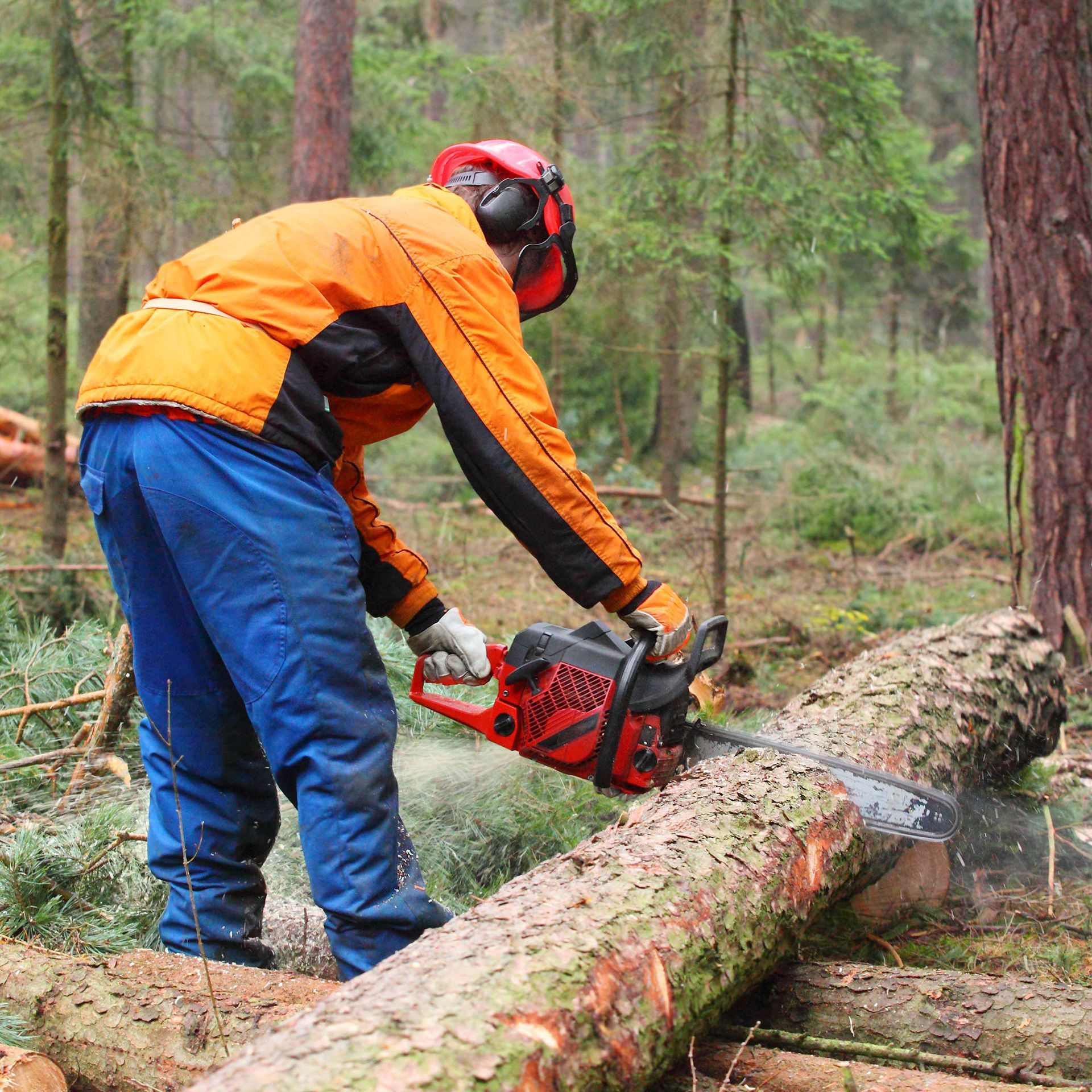
Routine landscape inspections and timely preventative measures ensure that minor structural and botanical flaws do not become dangerous emergencies when extreme weather arrives. Professional tree care plays an indispensable role in maintaining yard safety and keeping your home shielded against falling debris. Relying on an experienced tree service gives you the guidance and technical capability needed to manage large canopies safely. Reach out to our team at Full Circle Tree Service today so we can inspect your trees and protect your property before storm season arrives.