August 18, 2026
Trees are critical components of our natural landscape, providing shade, oxygen, and vital habitat for numerous local species. However, there are circumstances where trees can become a major liability, necessitating swift action to protect human life and structural property. Understanding the essential scenarios where emergency tree removal is vital helps property owners evaluate potential risks, identify early indicators of structural danger, and execute effective preventative measures before catastrophic failure occurs.
From severe weather events to hidden pest infestations, several environmental factors can rapidly undermine a tree's structural stability. Being aware of these situations ensures a prompt response that safeguards both lives and surrounding assets. Recognizing the physical signs early allows property owners to engage a professional tree company service before an emergent situation escalates into a costly property disaster or severe personal injury.
Routine tree care and proactive property maintenance can prevent many common hazards from escalating out of control. However, when environmental stressors align, even a seemingly healthy tree can suffer sudden failure. Establishing an ongoing relationship with certified professionals ensures that you have immediate access to expertise, heavy equipment, and rapid response capabilities when unexpected structural failures threaten your home or surrounding infrastructure.
Assessing Severe Storm Damage
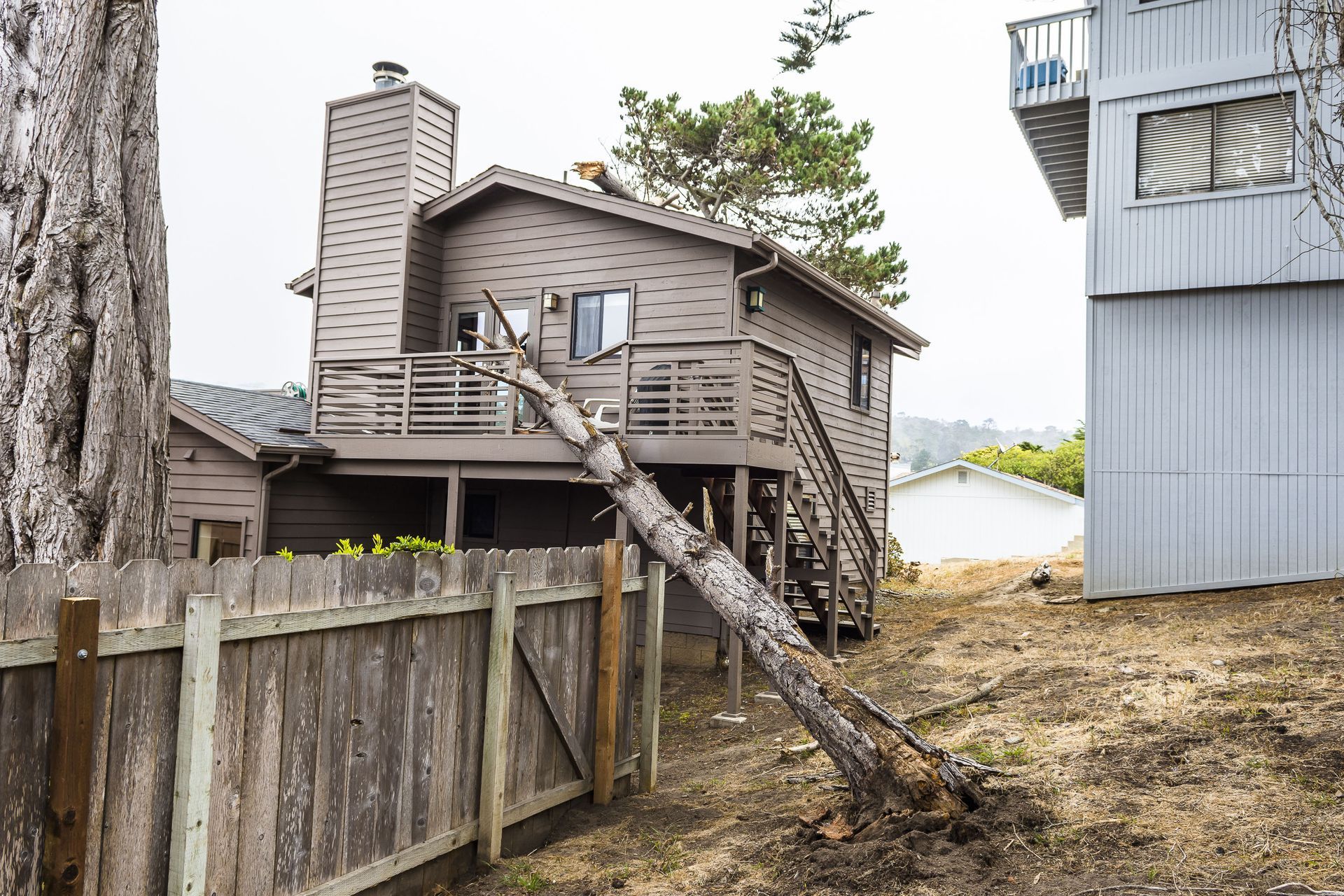
Severe weather events represent one of the most common catalysts for emergency tree intervention. When strong winds, heavy rain, saturated ground conditions, or lightning strikes impact an area, a tree's primary structural architecture can be compromised instantly. Severe storms frequently cause split trunks, major limb failure, or complete root plate uprooting. A reliable tree company service can rapidly evaluate the structural integrity of storm-damaged trees to determine whether immediate removal is required to secure the surrounding property.
Trees compromised by storm activity present immediate falling hazards to nearby homes, parked vehicles, outdoor living spaces, and pedestrian pathways. Prompt removal is often required to clear obstructed driveways or public roadways, restoring safe access for emergency vehicles and residents alike. Additionally, limbs that come into contact with energized power lines during a storm create severe electrical and fire hazards. Coordinating professional removal services immediately after a storm mitigates these life-threatening risks before further damage occurs.
Following a major weather event, secondary failures often occur days after the initial storm has passed. Internal cracks, unseen canopy stress, and loosened soil can cause weakened trees to collapse long after wind gusts have subsided. Having a thorough post-storm assessment conducted across your entire landscape ensures that hidden structural vulnerabilities are identified and mitigated before they result in sudden, unexpected property damage.
Identifying Evidence of Disease or Infestation
A diseased or infested tree can quickly become a structural hazard to its surroundings as wood tissue degrades over time. Biological pathogens such as Dutch elm disease, oak wilt, or fungal decay weaken wood fibers, destroying the internal mechanisms that keep a tree standing upright. Similarly, wood-boring insect infestations from pests like borer beetles, carpenter ants, or termites hollow out trunks and major structural branches. Scheduling a tree company service at the first sign of sawdust, exit holes, fungal brackets, or peeling bark helps manage the issue before total collapse occurs.
Diseases also spread rapidly through interconnected root systems or airborne spores, directly threatening nearby healthy vegetation across your property. According to the University of Maryland Extension, dead branches that are all on one side of a tree can be a symptom of root or trunk damage on the affected side. Recognizing these targeted symptoms allows arborists to diagnose severe decay early and recommend complete removal to protect the broader ecosystem and surrounding trees.
Ignoring the subtle indicators of biological decline can turn a manageable maintenance task into an urgent structural emergency. As heartwood decays, the tree loses its flexibility and load-bearing capacity, making it vulnerable to breaking under standard weather conditions. Regular health assessments by qualified specialists ensure that diseased specimens are removed long before they become an active threat to your family and property.
Managing Hazardous Growth Near Power Lines
Trees growing in proximity to utility corridors present unique physical and electrical risks that often require emergency intervention. High-voltage lines generate immense heat and continuous current, making direct contact with branches a major trigger for localized power outages, electrical fires, and dangerous arching. Identifying unsafe growth patterns and physical interference early prevents dangerous utility disruptions and protects neighborhood safety.
Evaluating trees near utility infrastructure requires specialized equipment, safety protocols, and certified technical skills. While routine pruning can sometimes control mild canopy encroachment, severely overgrown or structurally compromised trees require complete removal by a qualified tree company service. Professional arborists work alongside utility standards to safely take down hazardous trees without disrupting local power grids or risking severe electrical injury.
Encroachments near power distribution lines are especially dangerous during high-wind events or winter freezing conditions, where heavy ice accumulation can weigh down branches directly onto live wires. Property owners should never attempt to prune or remove limbs near electrical lines themselves, as high-voltage electrical current can arc through wood and equipment. Partnering with certified power-line clearers guarantees that hazardous clearance work is completed safely and in compliance with regional utility regulations.
Removing Large Dead or Dying Branches
Large dead or decaying limbs pose an ongoing safety hazard to anyone walking underneath the tree canopy. These compromised branches lose moisture and wood elasticity over time, making them extremely susceptible to snapping without warning, even under light wind loads or their own heavy weight. Identifying structural hazards involves watching for missing seasonal foliage, peeling bark, fungal growth, or visible cracking along major union points.
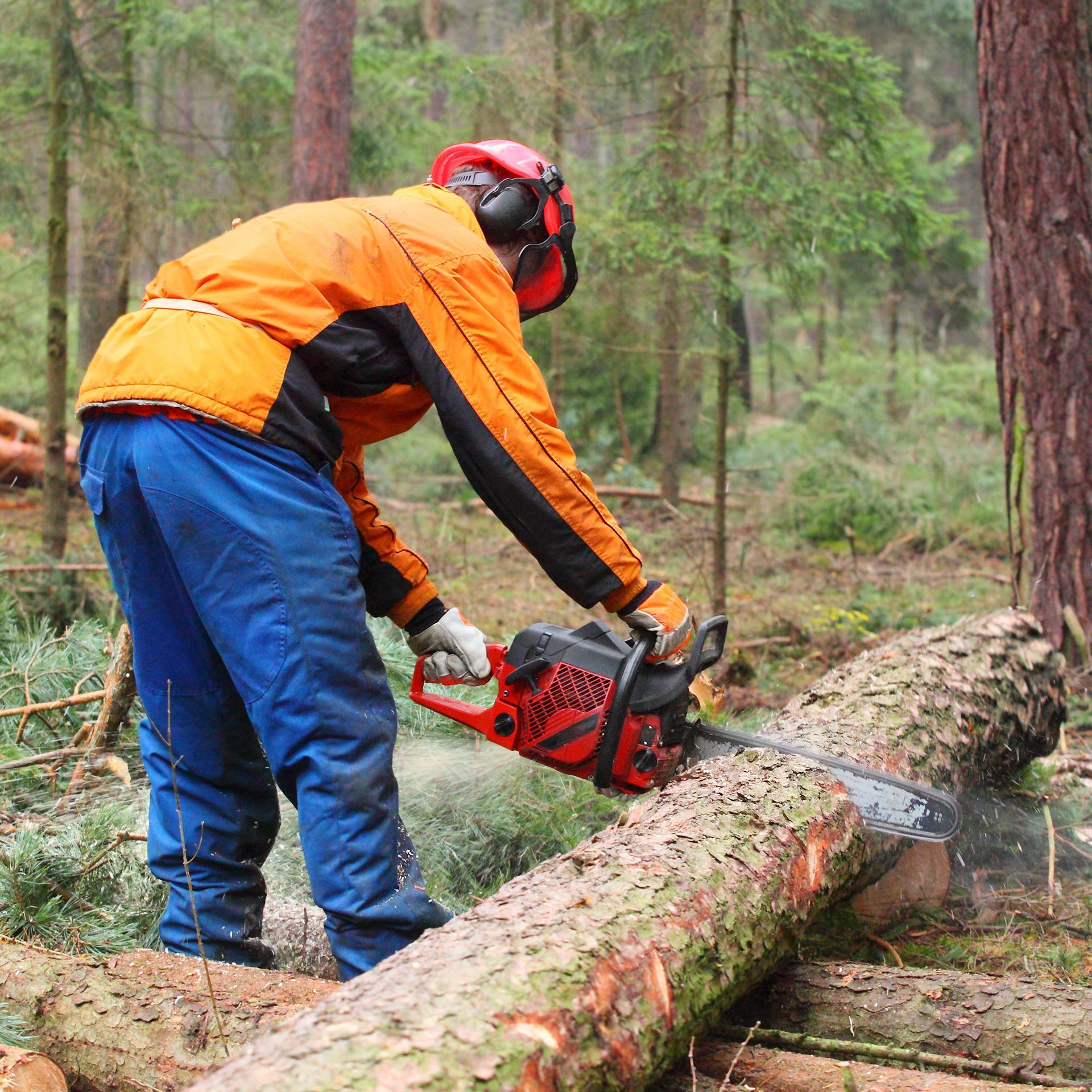
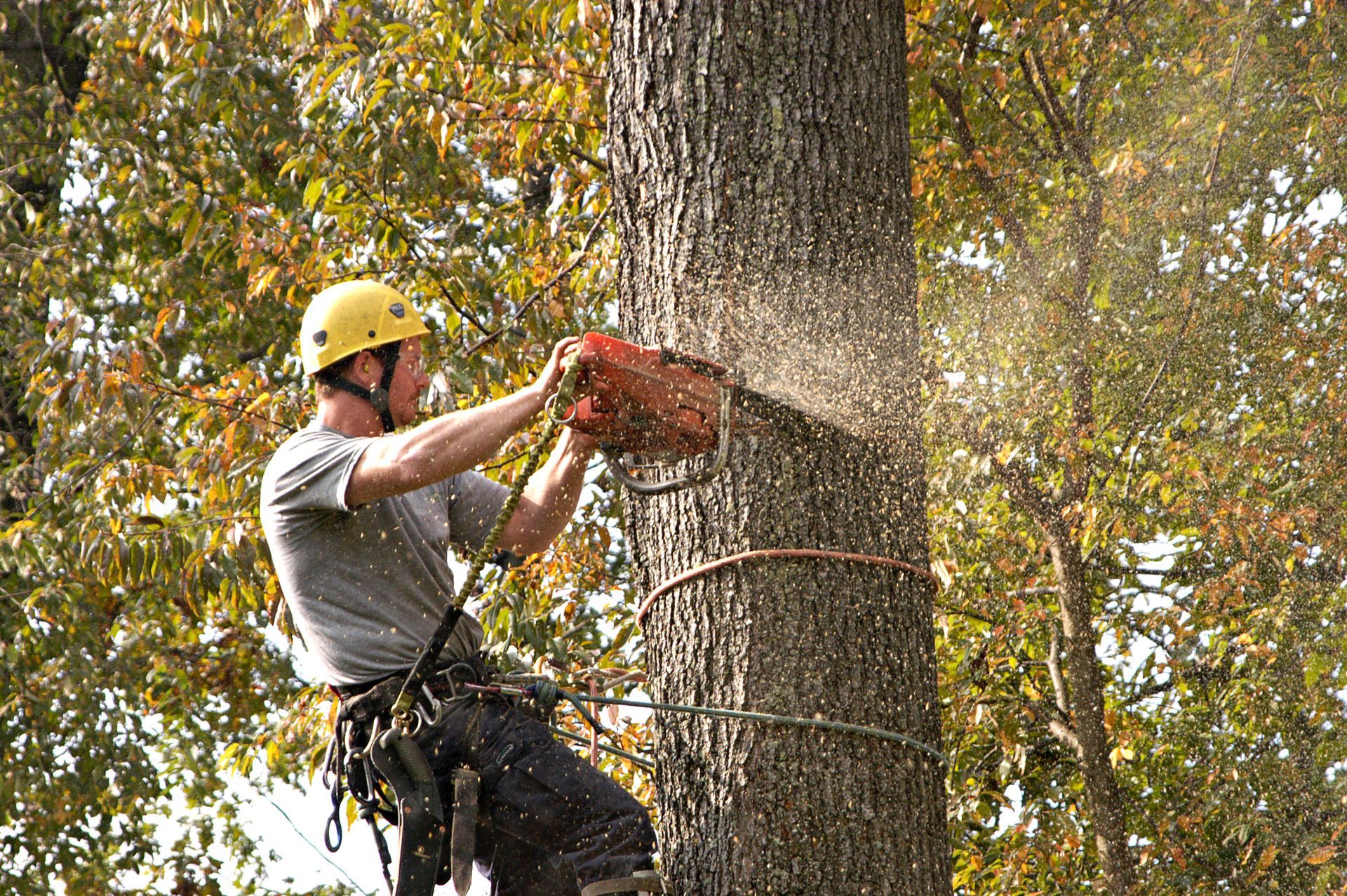
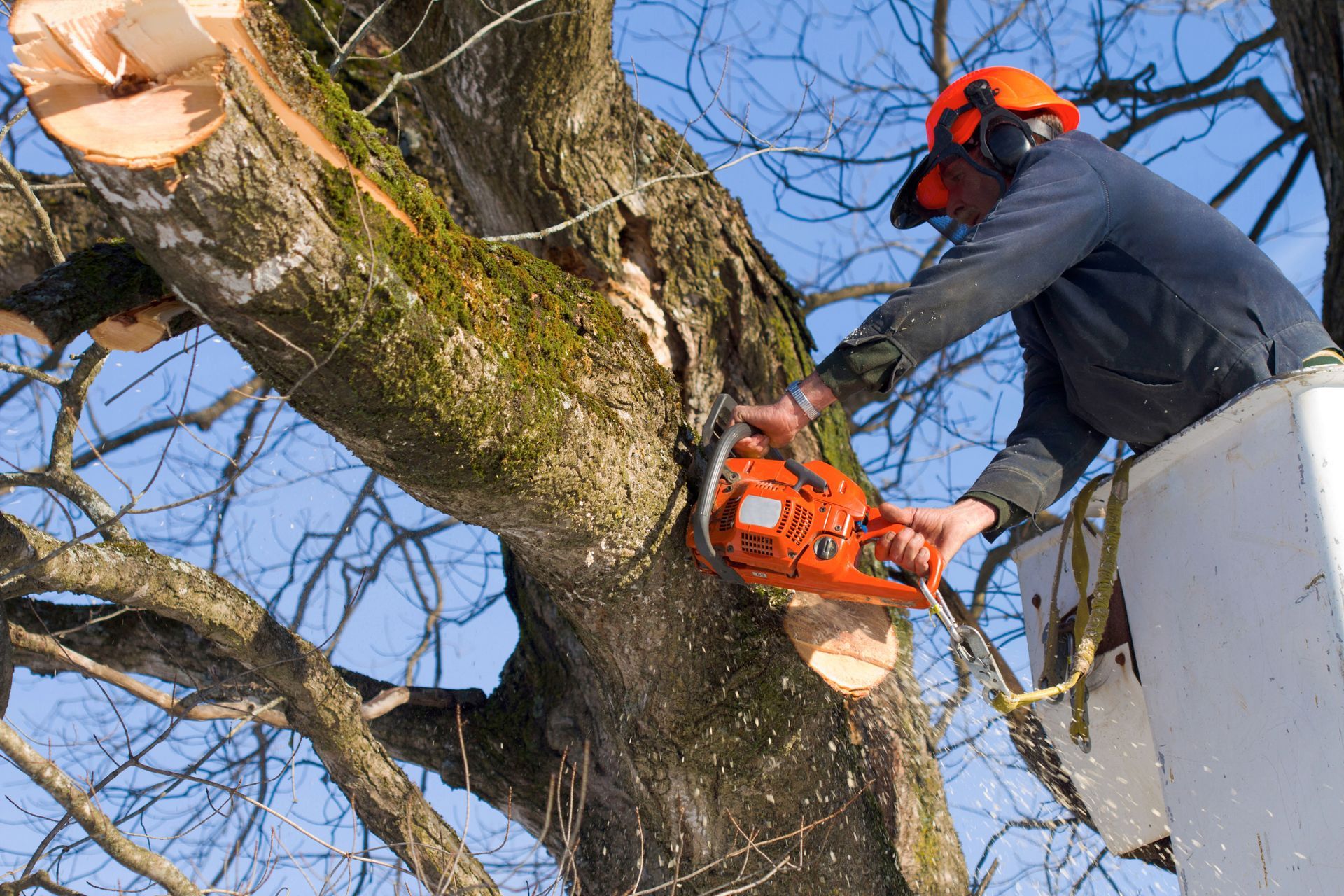
The continuous weight of dead wood creates unbalanced leverage on the main trunk, accelerating the structural decline of the entire tree architecture. Professional tree company service teams use specialized rigging techniques, cranes, and lowering lines to safely remove heavy deadwood piece by piece without dropping debris on structures below. Removing these structural threats proactively prevents unpredictable branch failure and prolongs the life of the remaining tree structure.
Dead branches also serve as primary entry points for pest activity and wood-rotting fungi, which can rapidly migrate from the dead limb into the core trunk tissue. Promptly removing deadwood seals off potential points of infection and reduces the overall wind resistance of the canopy. This targeted maintenance keeps the remaining canopy balanced and drastically lowers the risk of catastrophic branch failure during unpredictable weather events.
Evaluating Leaning Trees with Worsening Angles
While some trees naturally grow at a subtle tilt toward available sunlight, a tree that suddenly develops a new lean or displays a progressively worsening angle indicates severe structural instability. Common underlying causes include root plate failure, severe soil erosion, saturated ground conditions, or internal trunk fractures. When a tree's center of gravity shifts past its structural base, sudden and catastrophic failure becomes imminent.
Inspecting the ground surrounding a leaning tree often reveals heaving earth, cracked soil, or exposed roots on the side opposite the directional lean. These visual indicators confirm that the critical root anchorage has given way beneath the surface. When a leaning tree threatens nearby structures, parking spaces, or high-traffic areas, immediate removal by a tree company service is the only safe resolution to guarantee complete site safety.
Monitoring changes in a leaning tree's angle should be treated as an urgent priority, especially after periods of prolonged rainfall or high winds when soil stability is reduced. Once a root plate begins to lift, the tree's internal structural balance is permanently compromised and cannot self-correct. Swift professional removal prevents an uncontrolled collapse, protecting nearby homes, utility connections, and human lives from severe impact. For more information about the services that we offer, reach out to our incredible team at Full Circle Tree Service today!